For young adults leaving foster care, turning 18 often means facing rent, bills, school and work decisions without the family safety net many of their peers rely on. Over the past year, Ready for Life partnered with the City of St. Petersburg and the University of South Florida to change that for 88 young people through the Youth Opportunity Grants for Former Foster Youth.
An economic floor for the transition to adulthood
The pilot program, funded with $946,365 in American Rescue Plan Act dollars through the City of St. Petersburg, gave each participant $500 a month for 12 months. It served adults ages 18 to 27 who spent their teen years in out-of-home care, were never reunified with their families, and weren’t receiving formal aftercare services. The payments were designed as an economic floor, adding to participants’ existing income rather than replacing it.
Ready for Life ran the program day to day. Alongside the monthly payments, participants had access to our full range of support: financial coaching, counseling, peer support, parenting programs, and practical help with food, clothing and household goods.
“Through American Rescue Plan Act funding and our partnership with Ready for Life and USF, we invested directly in young people transitioning from foster care. The funding recipients received helped them gain stability as they made decisions about education, careers, housing, finances, and their futures,” said St. Petersburg Mayor Ken Welch. “I am immensely proud of each of our program participants. They navigated challenges, set goals, and kept moving forward…I’m excited to see where our program participants go from here.”
What our young people accomplished
Early findings presented to City Council’s Youth and Family Services Committee in August show participants put the money toward the essentials: housing and utilities, transportation and food. Many went further. About 47% of focus group participants reported saving part of their grant for a car, housing costs or an emergency fund.
Their stories show what a steady foundation makes possible. One participant used the funds to cover education costs after losing financial aid. Another paid for health testing. One launched an LLC, enrolled in a technical program and moved into a new apartment, all in the same year. When asked about the biggest benefit, many pointed to the same thing: stability.
“Our young people have always had the drive. What they often lack is breathing room,” said Kathy Mize, CEO of Ready for Life. “This year, 88 young adults finally had it, and they used it to stay housed, go back to school, start businesses and save for the future. We are so grateful to Mayor Welch, the City of St. Petersburg and USF for believing in them. Our hope is that this is a beginning, not an ending, and that together with our community we can find a way to keep this support going for the young people who come next.”
City leaders have echoed that hope. City Administrator Amy Foster called the program a bright light for the community, and Council Chair Lisset Hanewicz noted that while former foster youth face some of the highest risks entering adulthood, they also have some of the greatest opportunity.
Celebrating our participants
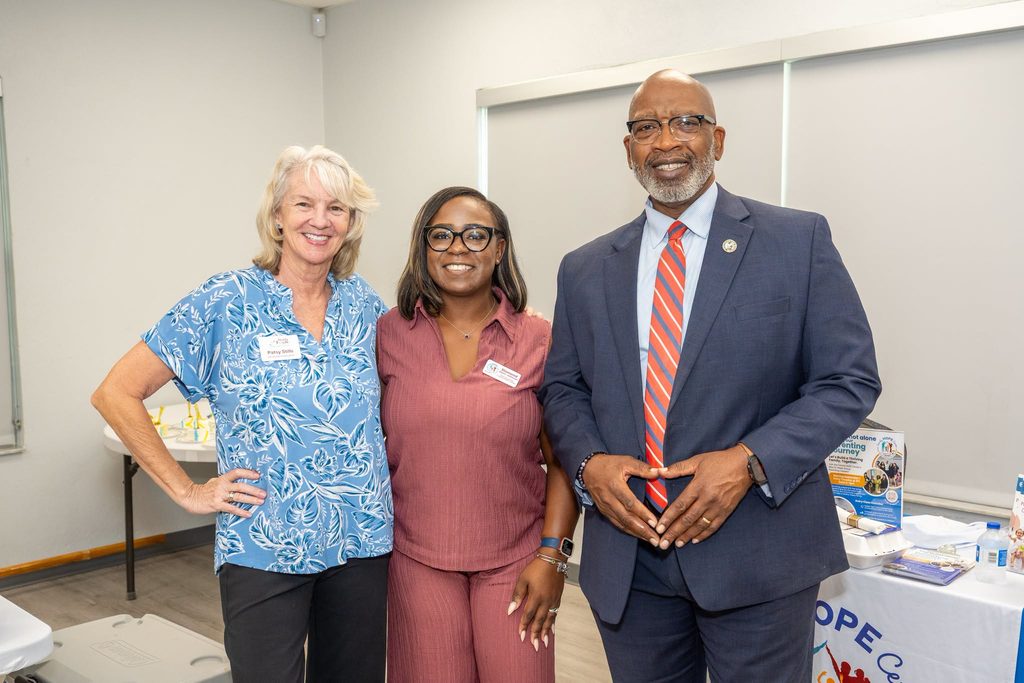
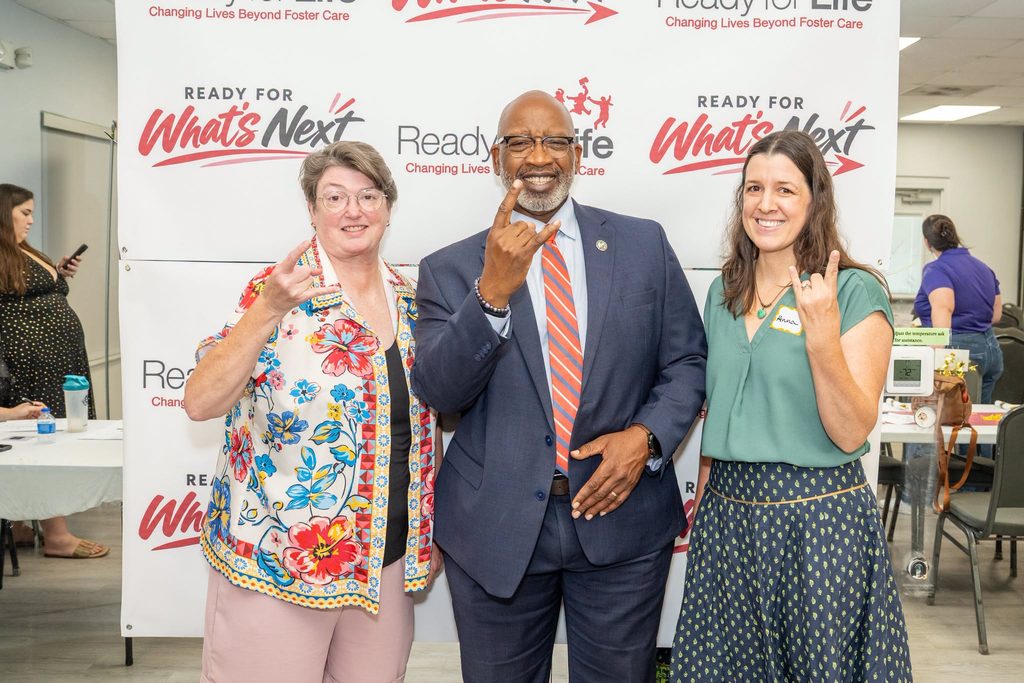
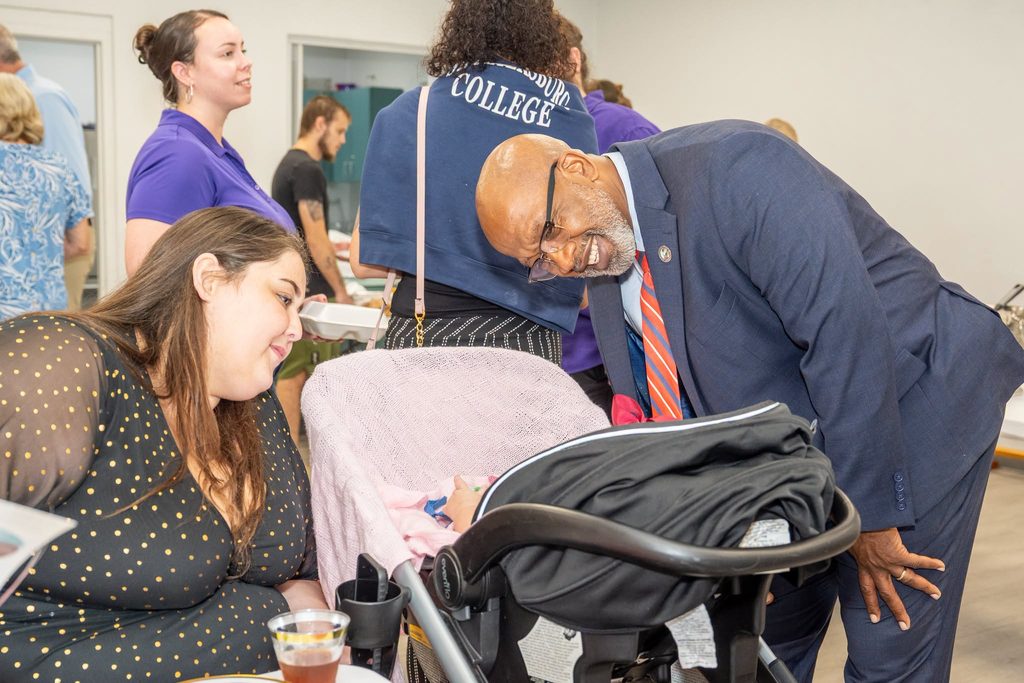
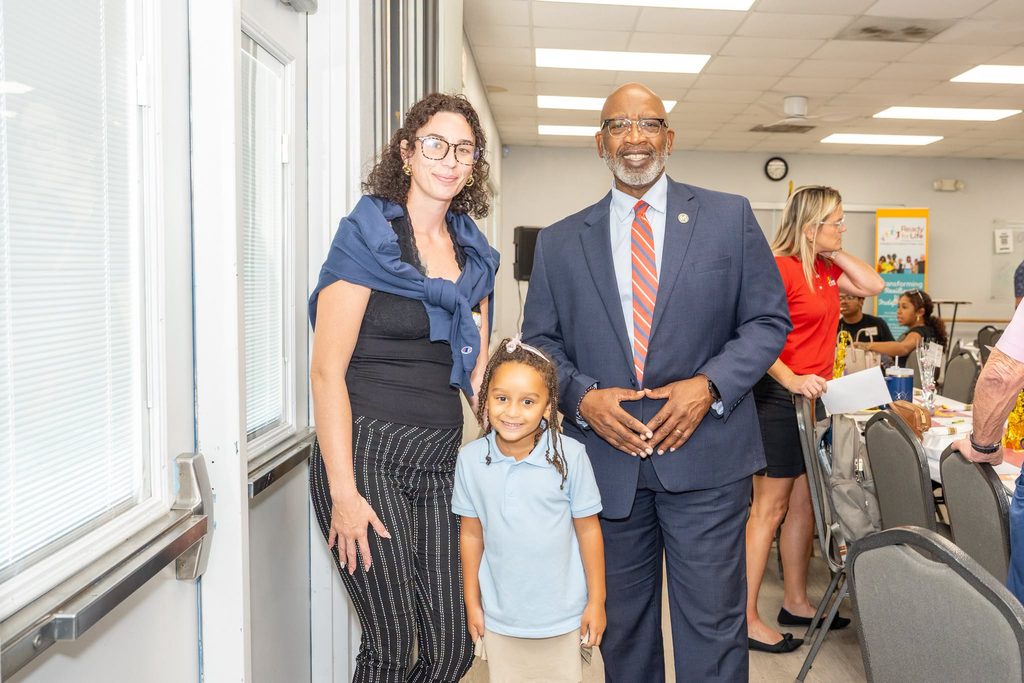
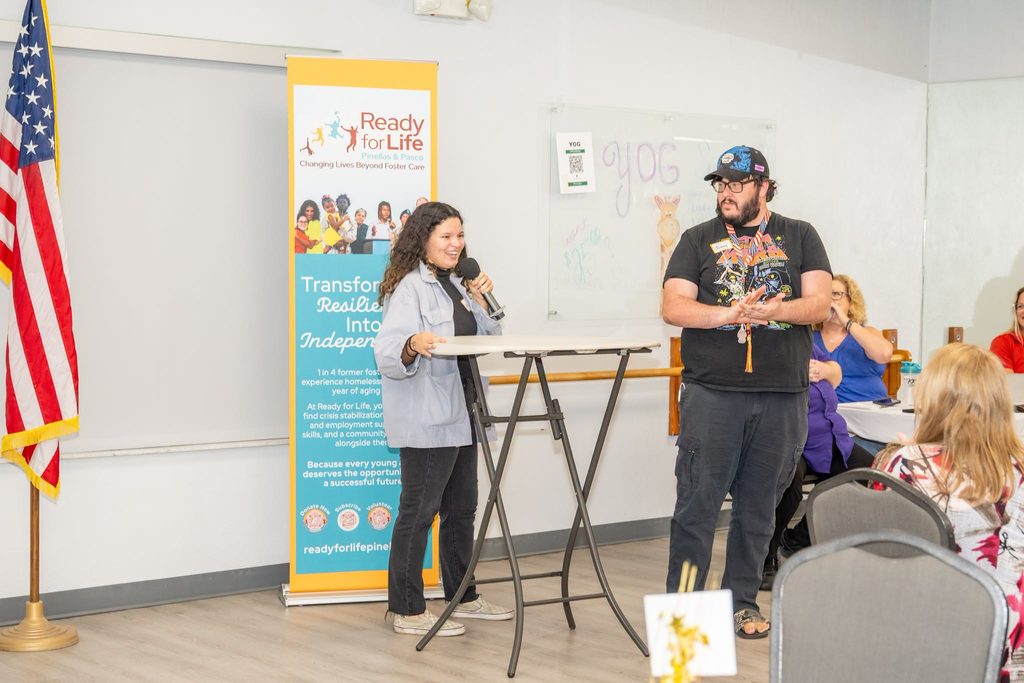
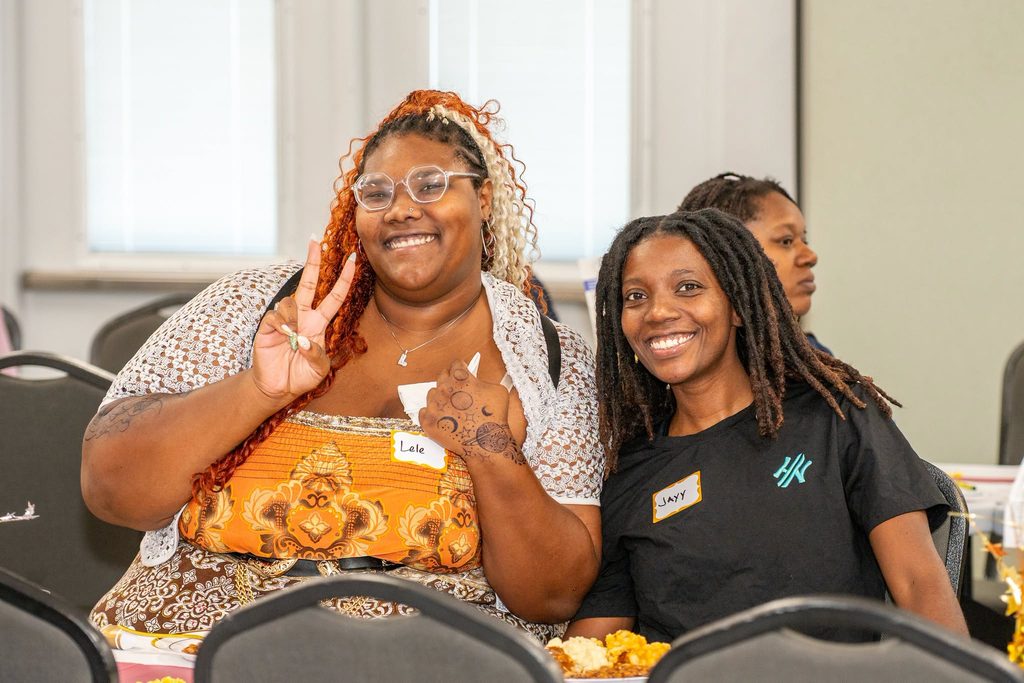
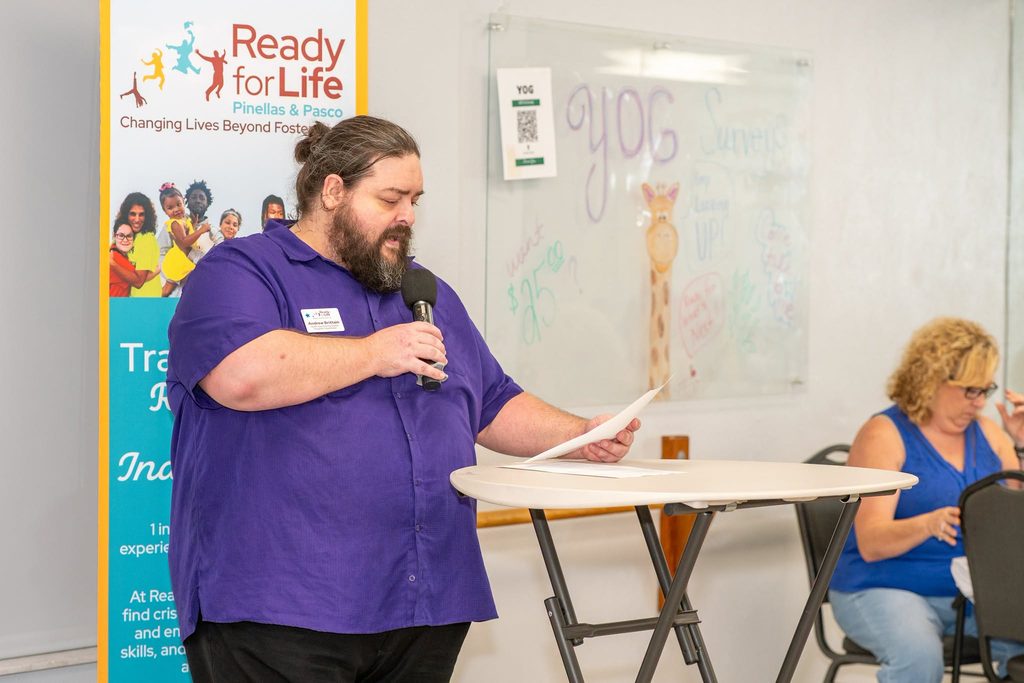
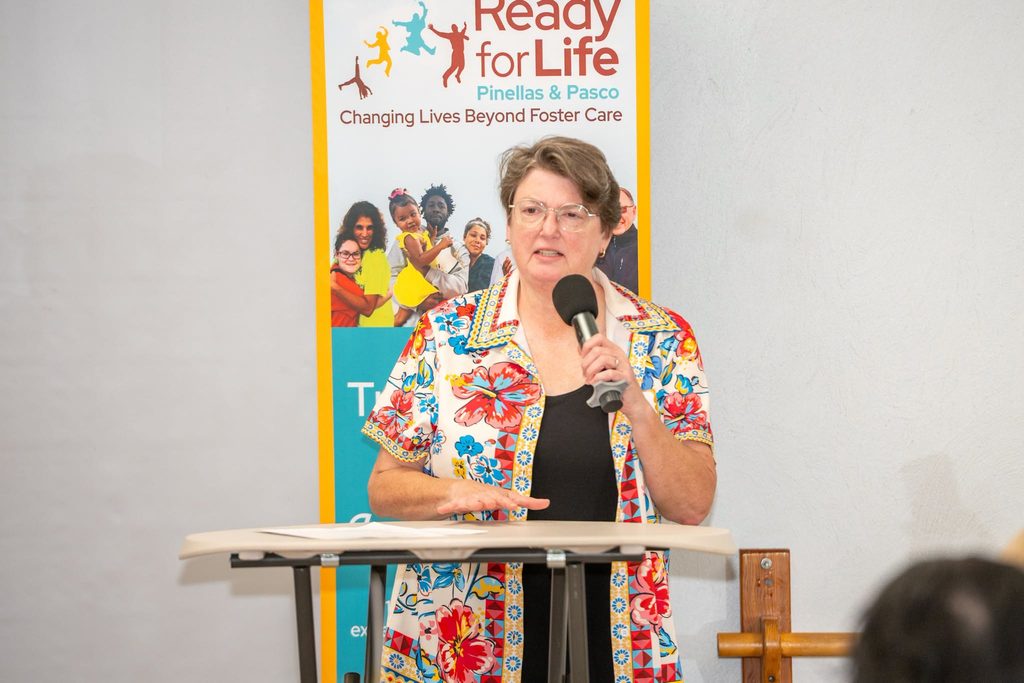
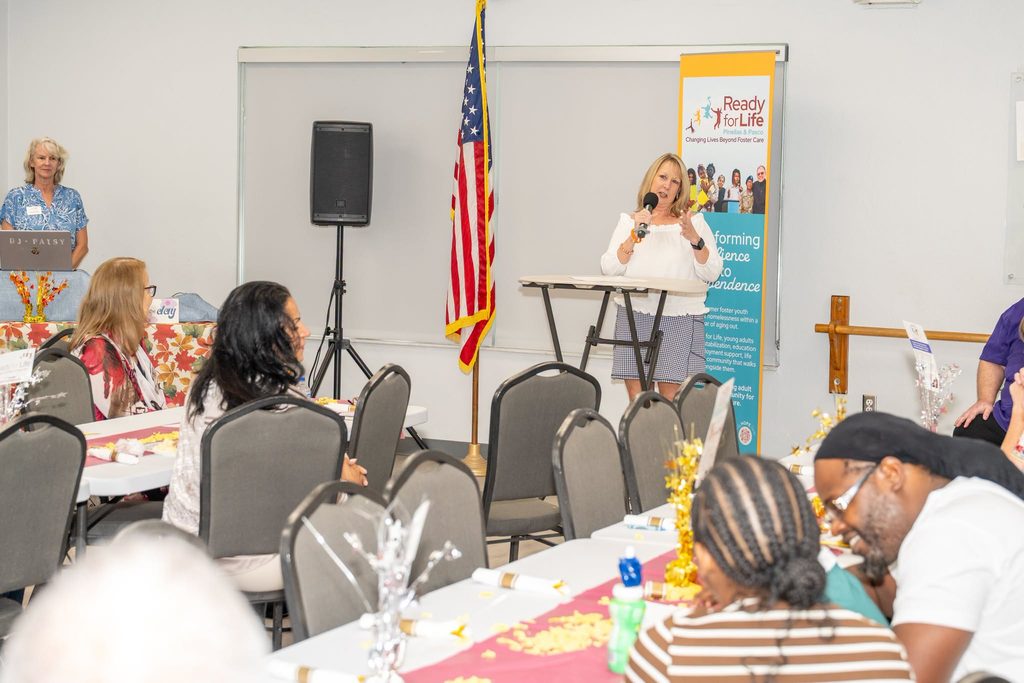
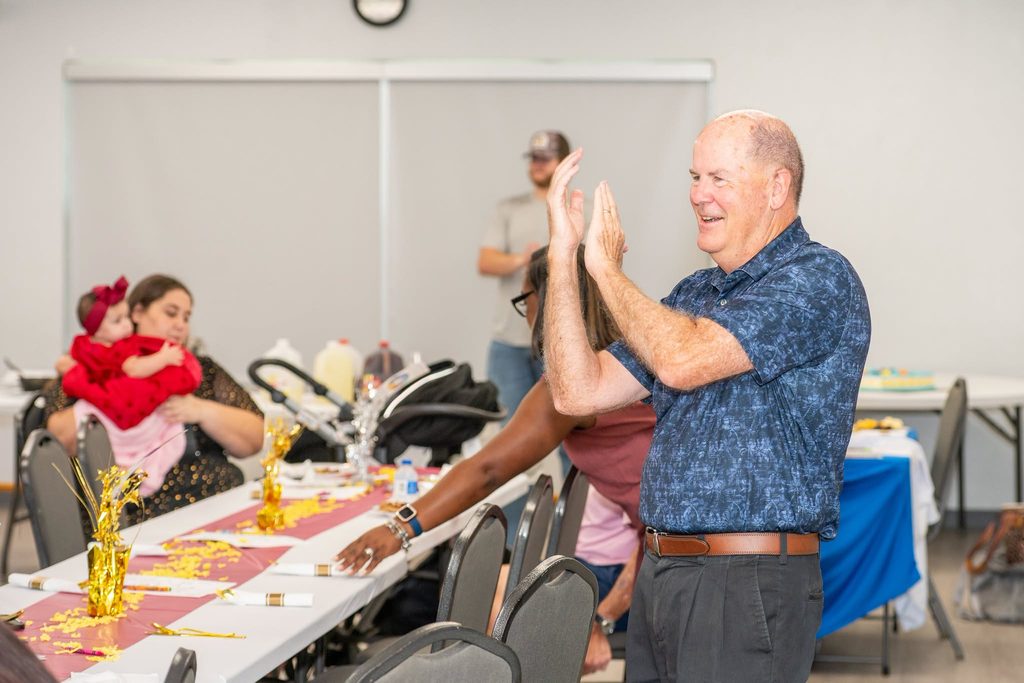
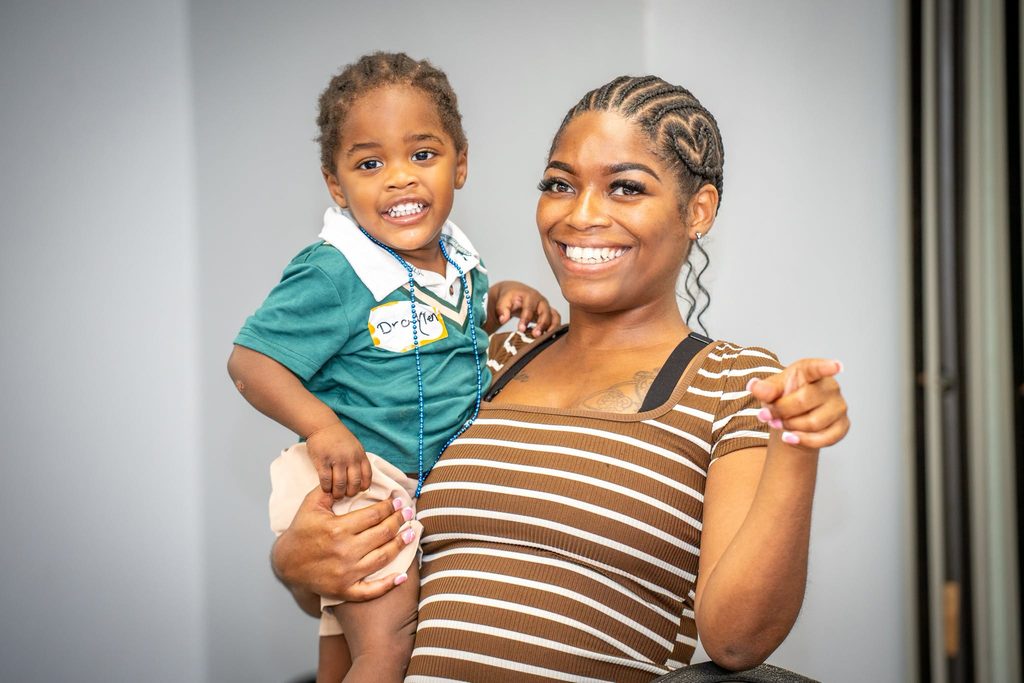
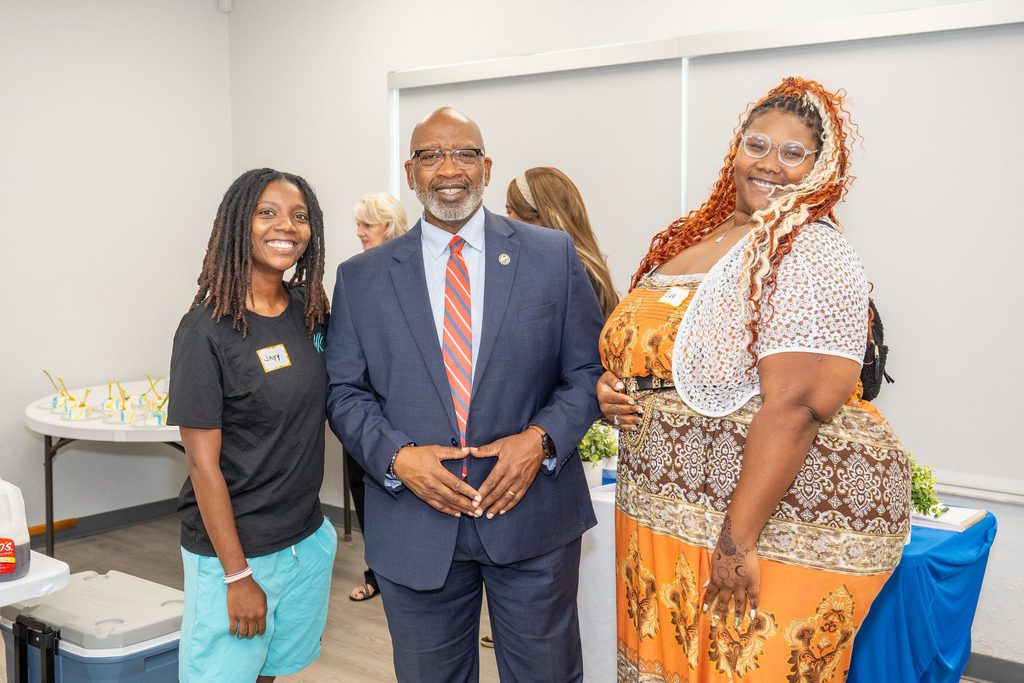
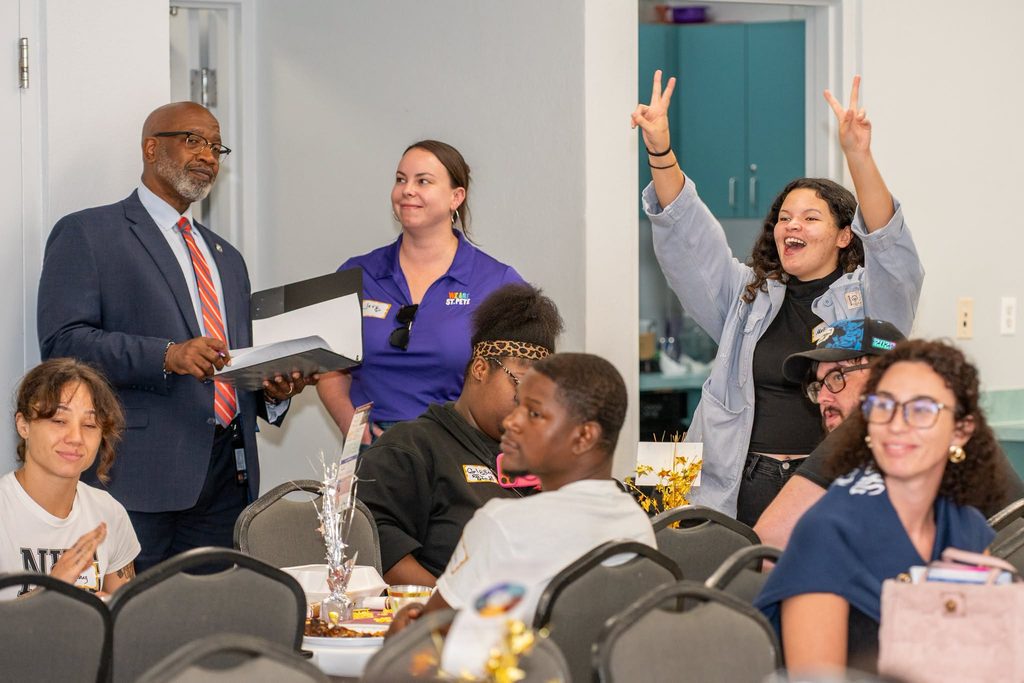
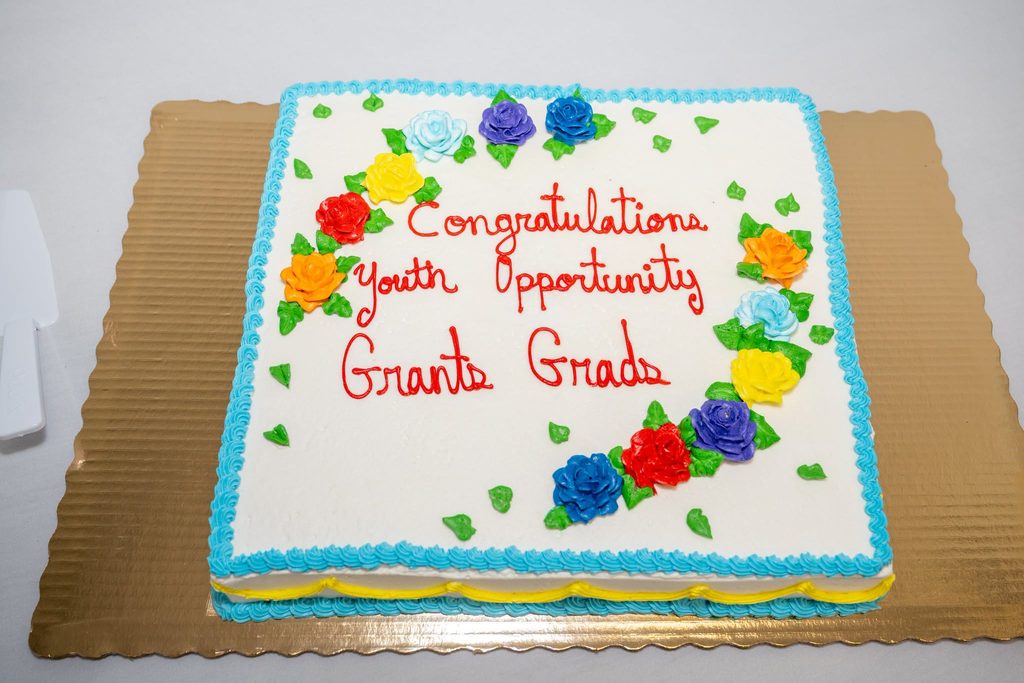
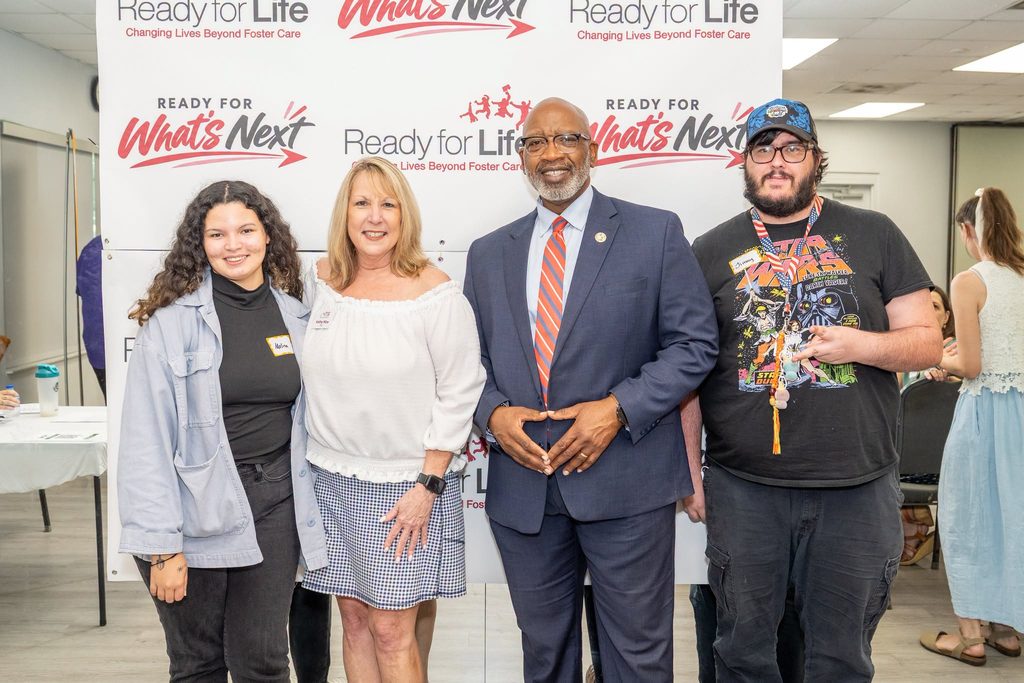
At the end of September, we hosted a celebration to honor the young people who completed the program, joined by Mayor Ken Welch. The event marked a year of hard work and growth, and gave participants, staff and city partners a chance to come together and recognize how far each of them has come. For many of our young people, it was a chance to be celebrated by their community and to hear directly from city leaders how much their success matters.
Program participant Melina, who spoke about the program’s impact at St. Pete’s State of the City address in February, says the experience has shaped how she sees her own future. “I have a whole new understanding of love, aloha, for the work involved in giving young adults and the underprivileged a chance to live, to educate and thrive,” she said. “I’m committed to making any sort of positive impact. Even if the work I do helps just one, it’s a life well lived.”
What’s next
Final payments went out in August, and Ready for Life and USF are completing final surveys and focus groups. A final report this fall will compare participants’ circumstances before and after the program, adding to national research showing that similar programs lead to gains in full-time employment, the ability to handle unexpected expenses, and emotional well-being.
As one participant put it, if the grant covers food, water and shelter, “I can get to that next step.” For 88 young people in St. Petersburg, this year was that next step. We’re working to make sure it’s not the last.